Home Decor Ideas TheHomeTrotters for Stylish Rooms
Some rooms simply feel good the moment you walk in. They are not always the most expensive or perfectly styled spaces, but they have warmth, personality, comfort, and a sense that someone truly lives there. That is the heart of home decor ideas thehometrotters: practical inspiration for creating rooms that feel beautiful, useful, and personal.
Decorating matters because your home affects your everyday mood. The chair you relax in, the light you turn on at night, the colors around your bed, and the way your entryway welcomes you all shape how your space feels. Good decor is not about impressing guests first. It is about making daily life easier, calmer, and more enjoyable.
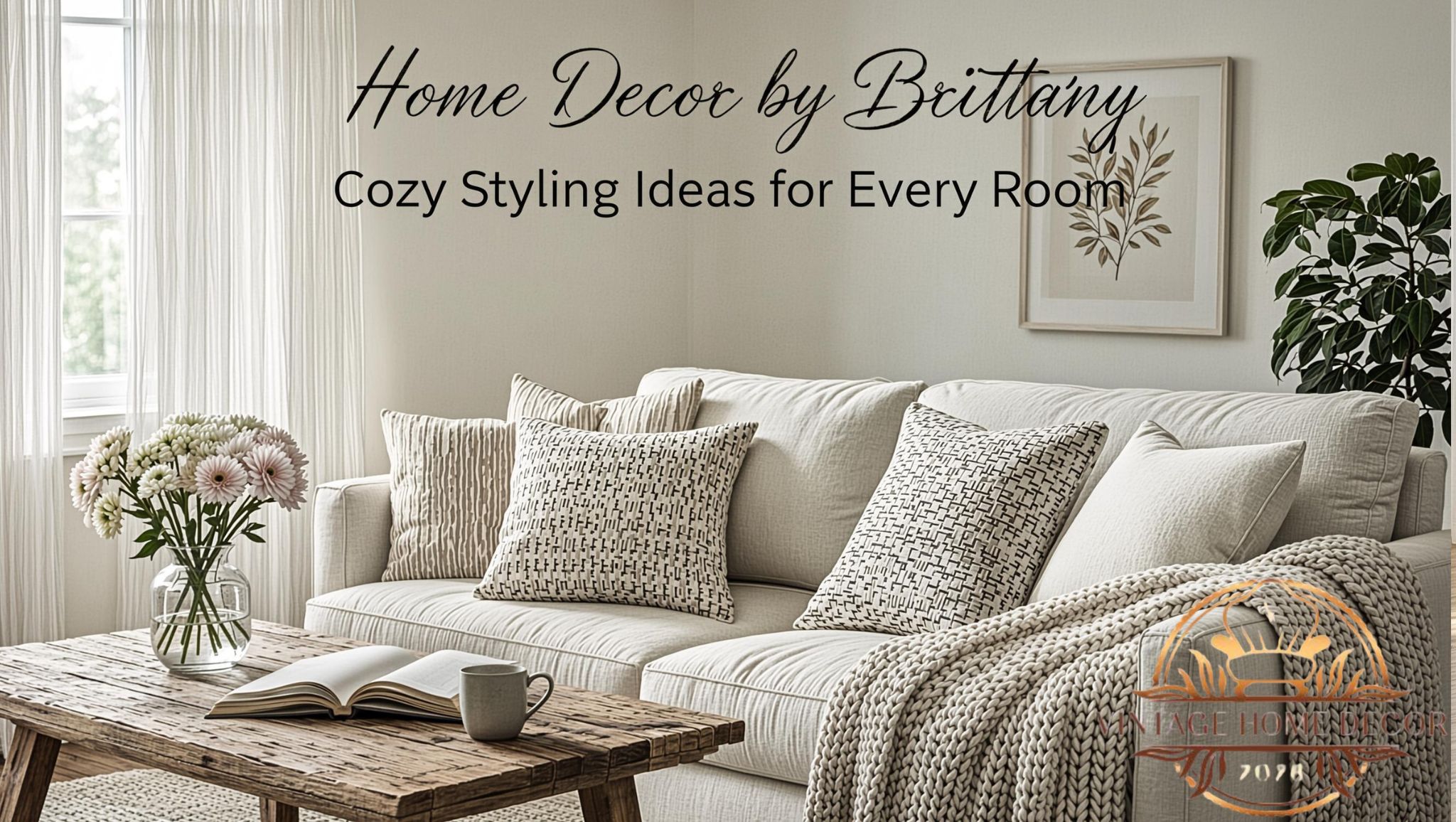
[Image: A cozy living room with a soft sofa, warm lamp, patterned rug, indoor plant, framed wall art, and a styled coffee table.]
The good news is that you do not need a full renovation to make your home feel new. Often, the biggest changes come from simple choices: moving furniture, layering lighting, adding texture, editing clutter, refreshing walls, or choosing one meaningful focal point.
This guide brings together approachable ideas for every room, from living rooms and bedrooms to kitchens, bathrooms, entryways, and small spaces. Think of it as a friendly decorating roadmap, not a rigid rulebook.
What Makes home decor ideas thehometrotters So Useful?
A simple definition
Home decor is the art of shaping a space through furniture, color, lighting, textiles, storage, accessories, layout, and personal details. It includes everything from sofas and rugs to curtains, mirrors, wall art, shelves, plants, baskets, bedding, candles, and tableware.
The best home decor ideas thehometrotters are useful because they focus on realistic homes. Most people are not starting with empty designer rooms. They are working with existing furniture, rental limits, family routines, small budgets, awkward corners, and pieces they already own.
Why practical decorating works best
A room can look beautiful in a photo and still fail in real life. If the sofa is uncomfortable, the lighting is harsh, the entryway is messy, or the kitchen has no storage, style alone will not solve the problem.
Practical decorating begins with how you live. Do you need a calmer bedroom? A living room that works for guests and movie nights? A kitchen that feels less cluttered? A work corner that helps you focus? Once the function is clear, the style becomes easier to choose.
Start With the Feeling You Want
Before buying anything, ask yourself how you want the room to feel. Calm? Cozy? Fresh? Bright? Elegant? Playful? Earthy? Minimal? Collected? Your answer becomes the filter for every decision that follows.
A calm room may need soft colors, hidden storage, warm lighting, and fewer objects. A cozy room may need layered textiles, wood tones, table lamps, books, and deeper colors. A fresh room may need lighter curtains, plants, mirrors, and less visual clutter.
[Infographic: A simple room-refresh formula showing five steps: define the mood, fix the layout, add lighting, layer texture, personalize with meaning.]
Choose three style words
Pick three words that describe your ideal home. For example:
- Warm, natural, relaxed
- Clean, bright, modern
- Cozy, collected, personal
- Elegant, soft, timeless
- Bold, artistic, colorful
- Minimal, calm, functional
These words keep you from buying random pieces that do not belong together. When you see a lamp, rug, pillow, or paint color, ask whether it supports those three words.
Work with what you already own
The smartest home decor ideas thehometrotters often begin with rearranging, editing, and reusing. Move a chair to a better corner. Swap lamps between rooms. Style books on a coffee table. Use a tray to organize small items. Hang artwork in a new place.
You may discover that your room does not need more decor. It may simply need better placement, cleaner surfaces, softer lighting, or one missing anchor piece.
Living Room Decor Ideas That Feel Warm and Balanced
Create a real conversation area
A living room should make people feel comfortable sitting down. If all the furniture faces only the television, the room may feel flat. Try arranging seating so people can talk easily, even if the TV remains part of the layout.
Pull furniture slightly away from the walls if space allows. Place a coffee table within reach. Add side tables for drinks or books. Make sure walkways stay open and natural.
Choose the right rug size
A too-small rug can make a living room feel disconnected. Ideally, at least the front legs of the sofa and chairs should sit on the rug. This visually ties the seating area together.
If a large rug is outside your budget, try layering. A larger natural fiber rug underneath a smaller patterned rug can create warmth and scale without feeling too formal.
Layer lighting
Overhead lighting alone rarely makes a living room feel inviting. Add table lamps, floor lamps, sconces, or picture lights to create softer pools of light.
Lighting should support different moments: reading, relaxing, entertaining, watching TV, or enjoying a quiet evening. Warm bulbs often make a room feel more comfortable than cool, bright light. You may Home Decor by Brittany.
Bedroom Decor Ideas for Better Rest
Keep the bed as the main focus
The bed is usually the largest item in the bedroom, so let it anchor the space. A good headboard, soft bedding, balanced nightstands, and lamps on both sides can make the room feel finished.
You do not need complicated styling. Crisp sheets, a comfortable duvet, two sleeping pillows, a few decorative pillows, and a throw blanket can be enough.
[Image: A peaceful bedroom with layered white bedding, wood nightstands, soft curtains, warm bedside lamps, and simple framed artwork.]
Use calming colors
Bedrooms usually benefit from colors that help the mind settle. Soft neutrals, warm whites, muted greens, dusty blues, gentle taupes, and pale grays can all create a restful mood.
That does not mean bedrooms must be boring. You can add personality through artwork, bedside lamps, textured throws, patterned rugs, or a painted dresser.
Reduce visual noise
Clutter can make it harder to relax. Use closed storage where possible. Keep nightstands simple. Store extra items in baskets, drawers, or under-bed containers.
A peaceful bedroom is not empty. It simply gives your eyes fewer things to process at the end of the day.
Kitchen Decor Ideas That Add Personality
Style what you use every day
Kitchens are hardworking spaces, so the best decor is often useful. Wooden cutting boards, ceramic bowls, glass jars, linen towels, fruit bowls, cookbooks, and attractive canisters can add beauty without wasting space.
Open shelves can look lovely when they hold everyday items in a thoughtful way. Try grouping plates, mugs, bowls, and glasses by color or material for a cleaner look.
Add warmth with texture
Many kitchens have hard surfaces: cabinets, counters, tile, metal, and appliances. Texture softens the room. Add a washable runner, woven shade, wood stool, pottery, baskets, or fabric café curtains.
Even one natural element can change the feeling of the room. A wooden bowl on a stone counter or a small plant near the sink can make the kitchen feel more welcoming.
Upgrade small details
If a full remodel is not possible, focus on details. New cabinet hardware, updated lighting, peel-and-stick backsplash, fresh bar stools, framed art, or a better faucet can make a surprising difference.
These are the kinds of home decor ideas thehometrotters that work well because they are realistic. They improve the room without demanding a huge budget.
Dining Room Ideas for Everyday Beauty
Make the table feel inviting
A dining room does not need to be formal to feel special. A simple centerpiece, comfortable chairs, warm lighting, and a rug can make the space feel ready for meals, homework, conversations, or slow weekend breakfasts.
Try a bowl of fruit, a vase of branches, a row of candles, or a linen runner. Keep it low enough that people can see across the table.
Use lighting as the focal point
A pendant or chandelier over the table can define the dining area, especially in open-plan homes. The fixture does not have to be dramatic, but it should feel intentional.
Choose a size that fits the table. A tiny light over a large table can feel lost, while an oversized fixture in a small room can feel heavy. Balance matters more than trend.
Bathroom Decor Ideas for a Fresh Feel
Change the mirror
A bathroom mirror has a huge visual impact. Replacing a basic mirror with a framed, arched, vintage-inspired, or modern mirror can instantly make the room feel more designed.
If replacing the mirror is not possible, consider adding lighting, a shelf, or simple accessories that make the area feel more polished.
Bring in softness
Bathrooms often feel cold because of tile, glass, and metal. Add softness through towels, a bath mat, a fabric shower curtain, woven baskets, or a small piece of art.
Choose items that can handle moisture. Avoid delicate materials that may warp or stain.
Keep counters edited
A cluttered bathroom counter can make the whole room feel messy. Use trays, jars, drawer organizers, and baskets to group essentials. Keep only daily-use items visible.
A clean counter with a soap dispenser, small plant, candle, or folded towel often looks better than a collection of products.
Entryway Ideas That Make Home Feel Welcoming
Give everything a landing place
The entryway is where clutter often begins. Shoes, bags, keys, mail, coats, and umbrellas all need a home. A narrow console, hooks, baskets, bench, tray, or wall shelf can make the space more functional.
Even a tiny entry can work harder with vertical storage. Hooks are often more useful than a coat closet because they make daily items easy to grab.
Add one personality piece
Your entryway sets the tone for the rest of the home. Add one item that feels personal: a mirror, framed print, vintage bench, patterned runner, sculptural lamp, or meaningful photo.
This is one of the easiest home decor ideas thehometrotters because it can be done in an afternoon but changes how the home feels every day.
Small Space Decorating Ideas
Use furniture with more than one job
Small spaces need pieces that work hard. Choose ottomans with storage, beds with drawers, nesting tables, wall-mounted desks, expandable dining tables, storage benches, and slim cabinets.
A small room does not need tiny furniture everywhere. It needs correctly scaled furniture. One well-sized sofa can look better than several small chairs that clutter the floor.
Use walls wisely
Walls are valuable in small homes. Add shelves, hooks, sconces, peg rails, wall-mounted desks, tall bookcases, or vertical storage.
The goal is to free up floor space while keeping essentials easy to reach. When the floor feels open, the whole room feels larger.
Reflect light
Mirrors can make small or dark rooms feel brighter. Place a mirror across from a window, behind a lamp, or above a console to bounce light around.
Glossy ceramics, glass lamps, metal frames, and light-colored textiles can also help a room feel more open.
Budget-Friendly Decorating Ideas
Spend where it matters
Not every item deserves the same part of your budget. Spend more on pieces you use every day, such as sofas, mattresses, dining chairs, rugs in busy areas, and storage furniture.
Save on seasonal decor, trendy colors, small accessories, throw pillows, and wall prints. These items are easier to change later.
Shop slowly
Fast decorating often leads to regret. It is better to live with an unfinished corner than to buy something that does not fit your style or needs.
A home becomes more interesting when it grows over time. The most personal rooms are usually built from a mix of new pieces, old favorites, thrifted finds, family items, and travel memories.
Try simple DIY updates
You do not need advanced skills to refresh a space. Try painting a side table, changing cabinet knobs, framing fabric as art, making a simple gallery wall, adding peel-and-stick wallpaper, or sewing basic pillow covers.
Small creative updates can make your home feel more personal than buying everything new.
How to Use Color With Confidence
Start with a base palette
A base palette keeps a home feeling connected. Choose two or three main colors that repeat across rooms. These might be warm white, natural wood, soft gray, beige, black, green, blue, or terracotta.
Repeating colors does not mean every room must look the same. It simply creates flow.
Add accents in small doses
Accent colors are easiest to use through pillows, art, flowers, books, lampshades, rugs, and small decor. If you get tired of them, they are simple to change.
For a calm home, keep accent colors muted. For a playful home, use stronger contrast. The key is repeating the color at least twice so it feels intentional.
Texture: The Detail That Makes Rooms Feel Finished
Mix smooth, soft, rough, and natural
A room with only smooth surfaces can feel flat. Add texture through linen, wool, boucle, velvet, wood, stone, ceramic, rattan, jute, leather, metal, and glass.
Texture is especially important in neutral rooms. If the colors are quiet, the materials need to do more of the visual work.
Use textiles to soften hard rooms
Rugs, curtains, bedding, pillows, throws, and upholstery make a home feel comfortable. They also absorb sound, add warmth, and help define areas.
If a room feels unfinished, look at the textiles first. Bare windows, bare floors, and bare sofas often make a space feel colder than it needs to be.
Personal Details That Make a Home Memorable
Display meaningful items
The most memorable homes include personal objects. These might be family photos, travel finds, heirlooms, handmade pottery, favorite books, children’s art, framed letters, or objects connected to hobbies.
Personal items should be displayed with care. A few meaningful pieces often feel stronger than many scattered objects.
Create small styled moments
A styled moment is a small area that feels intentional. It could be a tray on a coffee table, a lamp beside a stack of books, a vase on a console, or framed art above a nightstand.
These details make a home feel finished without overwhelming it.
Common Decorating Mistakes to Avoid
Buying before measuring
Always measure before buying furniture, rugs, curtains, and lighting. Product photos can be misleading, especially online.
Keep room measurements on your phone. Include wall widths, ceiling height, window sizes, doorway clearance, and existing furniture dimensions.
Choosing style over comfort
A beautiful chair that no one wants to sit in is not a great purchase. A delicate rug that causes stress every time someone walks on it is not practical.
The best decor supports real life. It looks good and works well.
Adding too many small items
Small accessories can quickly become clutter. Instead of buying many tiny objects, choose fewer pieces with better scale.
A large mirror, substantial lamp, oversized vase, or generous rug can make a room feel more confident than several small decorations.
FAQ
What does home decor ideas thehometrotters mean?
It refers to approachable home decorating inspiration focused on making rooms feel stylish, comfortable, and personal through practical updates, smart styling, and creative room ideas.
How can I refresh my home without spending much money?
Start by rearranging furniture, decluttering, changing lighting, moving decor between rooms, adding plants, updating pillows, or painting a small piece of furniture. Small changes can create a big shift.
What room should I decorate first?
Begin with the room you use most or the room that bothers you most. For many people, that is the living room, bedroom, kitchen, or entryway.
How do I make a room feel cozy?
Use warm lighting, soft textiles, layered rugs, comfortable seating, natural materials, books, curtains, and personal details. Cozy rooms usually have texture and gentle light.
What are easy home decor ideas for renters?
Try removable wallpaper, plug-in sconces, rugs, curtains, freestanding shelves, peel-and-stick tiles, framed art, plants, and furniture that can move with you.
How do I choose a color palette?
Start with colors already in your home that you like. Choose two or three base colors, then add one or two accent colors through smaller items.
How can I make small rooms look bigger?
Use mirrors, lighter colors, vertical storage, furniture with legs, fewer large pieces instead of many small ones, and good lighting. Keep walkways clear.
How often should I update my decor?
Update your decor when your needs, taste, or lifestyle changes. You do not need to follow every trend. Small seasonal changes can refresh a home without replacing everything.
Conclusion
A beautiful home is not about perfection. It is about creating rooms that support your life, reflect your personality, and make ordinary moments feel better. The most effective home decor ideas thehometrotters are not complicated. They are thoughtful, practical, and easy to adapt to the way you actually live.
Start with one room. Decide how you want it to feel. Fix the layout, improve the lighting, add texture, reduce clutter, and bring in details that mean something to you. Over time, those small choices create a home that feels warm, stylish, and genuinely yours.
Whether you are decorating a small apartment, refreshing a family home, or simply trying to make one corner feel more inviting, home decor ideas thehometrotters can help you turn your space into a place that feels comfortable, personal, and full of life.